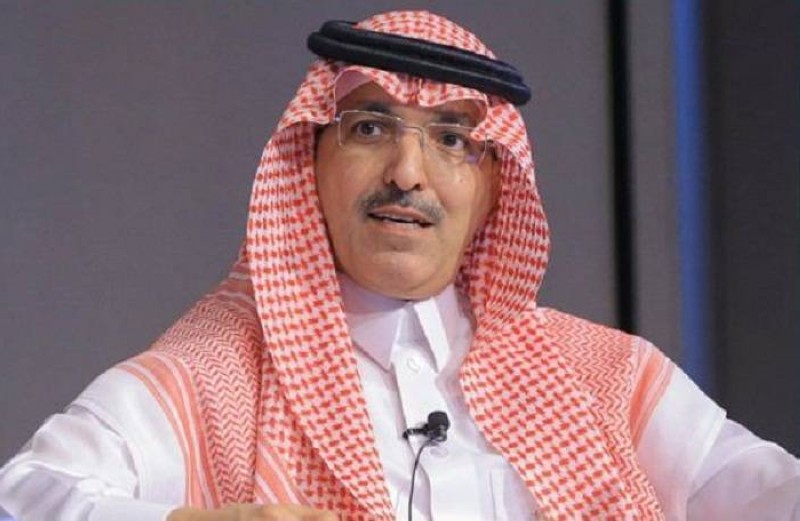
Saudi Finance Minister Mohammed al-Jadaan said Wednesday that the kingdom will implement the deadline for foreign companies to move their regional headquarters to the capital Riyadh before January 2024 or lose its contracts with the government.
In February 2021, the world’s largest oil exporter announced plans to stop contracting with companies that are not regionally headquartered in Saudi Arabia by January 1, 2024, to help create local jobs for economic diversification plans, and in light of growing regional competition.
Asked if the January date was in place, al-Jadaan told Reuters that the date was not new and would be implemented.
Many foreign companies have been using the UAE for years as a starting point for their regional operations, including their operations in Saudi Arabia.
Some companies have voiced concerns about the regulatory framework, including taxation, and speculation that the government may extend the deadline to accommodate investor skepticism.
Al-Jadaan said a tax framework had been agreed but did not elaborate.
Non-Oil Sector Growth
On the other hand, the Saudi finance minister said that the kingdom’s non-oil GDP is expected to grow by about 6% this year, expecting it to continue its good position.
He considered that the non-oil GDP is growing continuously and healthily, stressing that the “Saudi Vision 2030” focused on diversifying the economy through non-oil revenues, according to the official Saudi Press Agency (SPA).
Non-oil activities rose 6.1% in the second quarter, supported by domestic demand and far outpacing overall growth, which is expected to slow this year amid crude oil production cuts and lower prices.
Saudi Arabia expects a deficit until at least 2026 according to its latest preliminary budget statement released in September, boosting spending significantly but remaining cautious about revenue estimates.
But on the sidelines of the Future Investment Initiative conference in Riyadh, al-Jadaan said he was not worried about the budget deficit, and that Saudi Arabia’s sovereign debt was still among the lowest levels in the G20.
The kingdom has poured hundreds of billions of dollars into Vision 2030, a wide-ranging strategy to diversify its sources of income away from hydrocarbons, led by Saudi Arabia’s $700 billion Public Investment Fund.